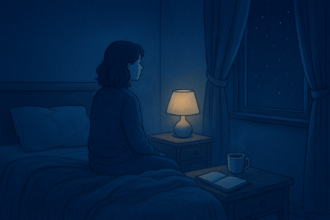

If you are lying awake night after night, it is natural to wonder, Can Insomnia Go Away? What May Help Over Time. Insomnia can feel frustrating, lonely, and confusing, especially when you are tired but your mind and body will not settle. The encouraging news is that sleep often can improve, particularly when the factors keeping insomnia going are understood and addressed patiently. This article explains why insomnia may happen, what can support better sleep over time, and when it may be helpful to reach out for professional guidance.
Can Insomnia Go Away? What May Help Over Time
The short answer is that insomnia can improve for many people, but the timeline and best approach vary. Some people experience short-term insomnia during a stressful season, illness, travel, grief, or a major life change. Others deal with more persistent sleep problems that continue for months or become tied to anxiety, habits, medical concerns, medications, or irregular routines.
When people search for Can Insomnia Go Away? What May Help Over Time, they are often hoping for reassurance and a practical path forward. A helpful way to think about insomnia is not as a personal failure, but as a pattern your nervous system may have learned. Learned patterns can often be changed, but change usually happens through consistency rather than one perfect night of sleep.
Insomnia does not always disappear overnight. In fact, trying to force sleep can sometimes make wakefulness feel even more threatening. Progress may look like falling asleep a little faster, waking up fewer times, feeling less panicked when awake, or having more trust that your body can rest even after a rough night.
Why Insomnia Can Stick Around
Understanding Can Insomnia Go Away? What May Help Over Time starts with understanding why insomnia sometimes continues after the original trigger has passed. For example, a person may first lose sleep because of work stress. After a few bad nights, they begin worrying at 8 p.m. about whether sleep will happen. Soon, the bed becomes associated with pressure, clock-watching, and frustration rather than rest.
Common factors that can maintain insomnia
Many different influences can affect sleep. You do not need to identify every single cause to start improving your sleep, but awareness can help you choose better strategies.
- Stress and emotional overload: The body may stay alert when it senses unresolved demands or uncertainty.
- Anxiety or excessive worry: Racing thoughts can make it harder for the nervous system to shift into sleep mode.
- Irregular sleep schedules: Sleeping in, napping late, or changing bedtimes dramatically can confuse your body clock.
- Conditioned wakefulness: Spending long periods awake in bed can teach the brain that the bed is a place for thinking, scrolling, or struggling.
- Caffeine, alcohol, or nicotine: These substances can disrupt sleep quality, even when they seem harmless in the moment.
- Medical or mental health concerns: Pain, hormonal changes, depression, trauma, anxiety disorders, and certain medications can contribute to sleep difficulty.
A better way to ask the question is not only whether insomnia can go away, but what is keeping it in place right now. If Can Insomnia Go Away? What May Help Over Time is your main concern, begin by looking for patterns rather than blaming yourself. Patterns give you something practical to work with.
Stress is one of the most common contributors to poor sleep. The American Psychological Association offers helpful information about how stress affects the mind and body, including the way ongoing stress can influence daily functioning. If stress seems closely tied to your sleep struggles, you may also find NoOverthinking’s guide on the connection between stress and insomnia helpful.
What Usually Helps Insomnia Improve Over Time
The most useful answer to Can Insomnia Go Away? What May Help Over Time is usually not a single trick. It is a combination of realistic sleep habits, reduced pressure around sleep, better stress regulation, and support when needed. The goal is to rebuild a healthier relationship with rest.
Give your body a consistent sleep rhythm
Your body has an internal clock, often called the circadian rhythm. It responds to light, routine, meals, movement, and timing. When your schedule changes constantly, your brain may not know when to feel sleepy or alert.
Try choosing a consistent wake-up time, even after a poor night. This may sound difficult, but it can help strengthen your sleep drive for the following night. If you sleep in for several hours to recover, you may feel less sleepy at bedtime, which can continue the cycle.
For example, if you want to wake at 7 a.m., aim to get out of bed around that time most days. You do not have to be perfect, but consistency matters. Morning light, a simple breakfast, and gentle movement can help signal that the day has begun.
Reduce the pressure to sleep perfectly
One of the hardest parts of insomnia is the fear of another bad night. You may think, I must fall asleep now or tomorrow will be ruined. That thought is understandable, but it can activate the stress response and make sleep feel like a performance.
Instead, practice a calmer message: I would like to sleep, but resting quietly still helps my body. This does not magically solve insomnia, but it can reduce the panic that often makes wakefulness worse. If your mind races when the lights go out, read how to stop racing thoughts at night for more specific calming strategies.
Use the bed mainly for sleep and intimacy
If you spend hours in bed scrolling, working, worrying, or watching the clock, your brain may stop associating bed with sleep. A common behavioral sleep strategy is to get out of bed if you are awake for a while and becoming frustrated. You might sit in a dimly lit room and do something quiet, such as reading a calm book or listening to gentle audio. Return to bed when you feel sleepy again.
This is not about punishing yourself. It is about retraining the brain. Over time, the bed can become a stronger cue for rest rather than a place where you battle your thoughts.
Consider evidence-based therapy for insomnia
For many adults, cognitive behavioral therapy for insomnia, often called CBT-I, is considered a well-supported approach. It may include sleep scheduling, stimulus control, relaxation skills, and changing unhelpful beliefs about sleep. If you are asking Can Insomnia Go Away? What May Help Over Time after months of difficulty, CBT-I may be worth discussing with a qualified healthcare provider or therapist trained in sleep treatment.
Sleep medication can be appropriate in some situations, but it is best discussed with a medical professional who understands your health history. Medication may help some people short term, while others need a broader plan that addresses behavior, anxiety, pain, or other contributing factors.
Can Insomnia Go Away? What May Help Over Time When Worry Is Involved
For many people, insomnia and worry feed each other. You worry because you cannot sleep, and then the worry keeps you awake. If Can Insomnia Go Away? What May Help Over Time feels connected to anxiety, the goal is not to eliminate every thought before bed. The goal is to change how you respond to thoughts so they do not control the entire night.
Anxiety can show up as mental overthinking, a tight chest, restlessness, stomach tension, or a racing heart. These sensations can feel alarming, but they are common signs of nervous system activation. The National Institute of Mental Health provides an overview of anxiety disorders and symptoms if you want to learn more about when worry may require professional support.
Create a worry window earlier in the day
A worry window is a set time, often 10 to 20 minutes, when you write down concerns and next steps. This gives your brain a chance to process problems before bedtime. The goal is not to solve your entire life in one sitting. It is to tell your mind, We are not ignoring this, but we are not doing it at 2 a.m.
Try this simple format:
- Write down the worry in one sentence.
- Ask whether it is solvable, partially solvable, or not controllable right now.
- If it is solvable, write one small next step.
- If it is not controllable tonight, write a grounding phrase such as, I can revisit this tomorrow.
For example, instead of lying in bed thinking about an unpaid bill, you might write at 6 p.m., Check account balance and schedule payment tomorrow at lunch. This turns vague anxiety into a manageable action.
Use calming skills without turning them into a test
Breathing exercises, progressive muscle relaxation, guided imagery, prayer, meditation, or gentle stretching can help some people settle. But these tools work best when used as support, not as a desperate test. If you do a breathing exercise while secretly checking every minute to see whether you are asleep yet, your brain may stay on alert.
Try saying, I am practicing calming my body, not forcing sleep. This mindset shift matters. People struggling with bedtime anxiety may benefit from NoOverthinking’s guide on how to overcome sleep anxiety and calm the mind at night.
7 Practical Tips That May Help Over Time
The question Can Insomnia Go Away? What May Help Over Time becomes easier to approach when you focus on repeatable behaviors. You do not need a perfect routine. You need a realistic one that supports your body most nights.
1. Keep your wake-up time steady
Choose a wake-up time that fits your actual life. If weekdays require 6:30 a.m., try not to shift to 10:30 a.m. every weekend. A small variation is fine, but large swings can make Sunday night especially difficult.
2. Get morning light
Light is one of the strongest cues for your body clock. Open the curtains soon after waking, step outside for a few minutes, or sit near a bright window. As you explore Can Insomnia Go Away? What May Help Over Time, morning light is a simple habit that can make your rhythm more stable.
3. Watch caffeine timing
Caffeine affects people differently, but it can stay in the body for hours. If sleep is difficult, consider limiting caffeine after late morning or early afternoon. Pay attention to coffee, energy drinks, pre-workout supplements, some teas, and chocolate.
4. Build a wind-down routine you can actually keep
A wind-down routine does not need to be fancy. It might include dimming lights, washing your face, setting out clothes, writing tomorrow’s top three tasks, and reading for 10 minutes. Repetition helps your brain recognize that the day is ending.
5. Stop negotiating with the clock
Clock-watching often increases pressure. If you keep calculating how many hours are left, turn the clock away or move your phone out of reach. You can still use an alarm, but you do not need constant updates at 1:17, 2:42, and 4:08 a.m.
6. Be careful with naps
Naps can be useful, but long or late naps may reduce nighttime sleep drive. If you nap, consider keeping it brief and earlier in the day. For some people with chronic insomnia, temporarily avoiding naps may help consolidate sleep at night.
7. Make the next day gentle after a bad night
After poor sleep, many people either push too hard or cancel everything. Try a middle path. Do the essentials, lower perfectionism, get light exposure, eat regularly, and avoid spending the whole day in bed. This helps your brain learn that a bad night is uncomfortable but not catastrophic.
What Progress Can Look Like
Progress with insomnia is often uneven. You might sleep better for a week and then have two difficult nights during a stressful deadline. That does not mean you are back at the beginning. It means your sleep system is still sensitive and learning.
If Can Insomnia Go Away? What May Help Over Time is on your mind after a setback, look for trends rather than single nights. Are you spending less time panicking in bed? Are you recovering faster after a poor night? Are you less dependent on checking the clock? These are meaningful signs of change.
A practical example: Maria used to lie awake for three hours and repeatedly search her symptoms online. After several weeks of a steady wake time, less clock-checking, and a worry journal, she still had occasional bad nights. But she no longer spiraled as intensely. She got up, read in dim light, returned to bed when sleepy, and treated the next day with more compassion. That is progress.
When to Seek Professional Help
It may be time to seek professional support if insomnia lasts several weeks or months, affects work or relationships, causes significant distress, or occurs alongside symptoms such as panic, depression, trauma reminders, chronic pain, or medication changes. You do not have to wait until you are completely overwhelmed to ask for help.
Talk with a healthcare provider if you snore loudly, wake up gasping, feel extremely sleepy during the day, have restless legs, or suspect another sleep disorder. A therapist, primary care clinician, psychiatrist, or sleep specialist may help identify contributing factors and treatment options. If you ever have thoughts of harming yourself or feel unable to stay safe, seek immediate support from emergency services or a crisis line in your area.
For anyone asking Can Insomnia Go Away? What May Help Over Time, professional help can be part of the answer. Getting support does not mean you failed. It means you are taking your health seriously.
Common Mistakes That Can Make Insomnia Feel Worse
Some well-intentioned habits can accidentally keep insomnia going. If any of these sound familiar, approach them with curiosity rather than shame.
- Trying to force sleep: Sleep is more likely to happen when the body feels safe, not pressured.
- Spending too much time in bed: Going to bed very early to catch up can lead to more time awake.
- Using alcohol as a sleep aid: Alcohol may make you drowsy, but it can disrupt sleep quality later in the night.
- Searching for reassurance all night: Online searching can increase alertness and anxiety.
- Changing every habit at once: Too many changes can feel overwhelming. Start with one or two.
If overthinking is a major part of your nighttime struggle, NoOverthinking’s article on overthinking at night offers additional practical tools for calming mental noise before sleep.
Conclusion
So, Can Insomnia Go Away? What May Help Over Time? For many people, sleep can improve with consistent routines, less fear around wakefulness, better stress management, and appropriate support when needed. The process may not be perfectly linear, and some nights may still be difficult, but that does not mean nothing is working.
Start small. Keep a steady wake time, reduce clock-watching, create a calming wind-down routine, and address worry earlier in the day. If insomnia is persistent or connected to anxiety, depression, pain, trauma, or other health concerns, consider reaching out to a qualified professional. You deserve support, and better rest may be possible one steady step at a time.
FAQ
Can Insomnia Go Away? What May Help Over Time for most people?
Can Insomnia Go Away? What May Help Over Time depends on the person and the causes involved, but many people do see improvement. Consistent sleep timing, stress reduction, CBT-I strategies, and professional guidance when needed can all support healthier sleep patterns.
How long does insomnia usually last?
Insomnia can be short term, lasting days or weeks, or more persistent, lasting months or longer. Duration depends on factors such as stress, anxiety, health conditions, routines, and treatment. If sleep problems continue or cause significant distress, it is reasonable to speak with a healthcare provider.
Is it better to stay in bed when I cannot sleep?
If you are calm and resting, staying in bed may be fine. But if you are frustrated, alert, or anxious for a while, it may help to get up briefly and do something quiet in dim light. Return to bed when sleepiness comes back.
Can anxiety cause insomnia?
Anxiety can contribute to insomnia by increasing worry, body tension, racing thoughts, and fear about sleep. The relationship can go both ways, because poor sleep can also make anxiety feel stronger. Calming skills, therapy, and anxiety support may help.
Should I take sleep medication for insomnia?
Sleep medication may be helpful for some people, but it is best discussed with a medical professional who knows your health history. Medication is not the only option, and many people benefit from behavioral sleep strategies, therapy, and addressing underlying stressors.
For more supportive guides on sleep, anxiety, and overthinking, explore more articles on NoOverthinking and keep taking gentle steps toward calmer nights.