Anxiety can feel confusing because it does not always look like worry. Sometimes it feels like a racing heart before a meeting. Sometimes it looks like avoiding a text message, replaying a conversation for hours, or feeling exhausted even after a full night of sleep. Understanding anxiety symptoms can help you make sense of what is happening in your mind and body without judging yourself or jumping to conclusions.
Everyone experiences anxiety at times. It is a natural human response to uncertainty, pressure, or perceived danger. The National Institute of Mental Health (NIMH) explains that anxiety disorders involve more than occasional worry: symptoms can persist, occur across situations, worsen over time, and interfere with daily life. But when anxiety becomes intense, frequent, or disruptive, it may be a sign that your nervous system needs support. This article is educational, not a diagnosis. If your symptoms feel overwhelming, interfere with daily life, or include thoughts of harming yourself, it is important to reach out to a licensed mental health professional, doctor, or emergency support service in your area.
What Are Anxiety Symptoms?
Anxiety symptoms are the mental, emotional, physical, and behavioral signs that can happen when your brain and body interpret something as threatening or uncertain. The trigger may be obvious, such as a job interview, financial stress, conflict, or health concern. Other times, anxiety appears without a clear reason, which can make it even more frustrating.
Anxiety is connected to the body’s stress response. When your brain senses potential danger, it can activate changes designed to protect you. Your heart may beat faster, your breathing may change, and your attention may narrow. These reactions can be useful in short bursts. However, when they happen often or stay switched on too long, they can become uncomfortable and disruptive.
It is also important to know that anxiety symptoms vary from person to person. One person may feel panic in their chest, while another may experience stomach problems, irritability, or constant overthinking. The goal is not to label every uncomfortable feeling as anxiety, but to recognize patterns so you can respond with more awareness and care.
Common Emotional Anxiety Symptoms
Emotional anxiety symptoms often involve a sense of tension, fear, or unease. You may feel as if something bad is about to happen, even when there is no immediate danger. These feelings can be mild and manageable, or they can feel intense enough to interrupt your day.
- Persistent worry: You may find yourself worrying about work, relationships, health, money, or the future more than usual.
- Feeling on edge: You might feel restless, jumpy, or unable to fully relax.
- Irritability: Anxiety can make small problems feel bigger, which may lead to frustration or impatience.
- A sense of dread: You may feel that something is wrong even if you cannot explain why.
- Emotional overwhelm: Everyday tasks may feel harder when your mind is already overloaded.
For example, someone might receive a short message from a friend and immediately feel nervous that they did something wrong. Another person may feel unusually tense on Sunday night because they are anticipating the demands of the week. These reactions do not mean you are weak. They may be signals that your mind is trying to protect you, even if the alarm is louder than it needs to be.
Common Cognitive Anxiety Symptoms
Cognitive symptoms are the thought patterns that often come with anxiety. These can be especially exhausting because they happen internally and may not be visible to others.
- Overthinking: You may replay conversations, decisions, or mistakes repeatedly.
- Difficulty concentrating: Your mind may jump from one concern to another, making it hard to focus.
- Catastrophic thinking: You may imagine the worst-case scenario and feel as if it is likely to happen.
- Indecisiveness: Even small choices can feel risky or complicated.
- Intrusive worries: Unwanted thoughts may pop up and feel hard to dismiss.
A practical example is reading an email from your manager that says, Please stop by when you have a moment. An anxious thought pattern might immediately jump to, I am in trouble, I made a mistake, or I am going to lose my job. The message might simply be about a routine update, but anxiety fills in the blanks with threat.
One helpful approach is to gently ask, What else could be true? This question does not force positivity. Instead, it creates space for a more balanced interpretation. Maybe your manager needs clarification. Maybe they want your input. Maybe you do not yet have enough information to know.
Common Physical Anxiety Symptoms
Physical anxiety symptoms can be surprising because they may feel unrelated to emotions. Many people first notice anxiety in the body before they recognize anxious thoughts. While physical symptoms can be part of anxiety, they can also have medical causes, so it is wise to talk with a healthcare professional if symptoms are new, severe, persistent, or concerning.
- Racing or pounding heart
- Shortness of breath or shallow breathing
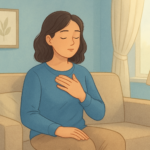
- Chest tightness or discomfort
- Muscle tension, especially in the neck, jaw, shoulders, or back
- Stomach upset, nausea, or digestive changes
- Sweating, trembling, or feeling shaky
- Dizziness or lightheadedness
- Headaches
- Fatigue or low energy
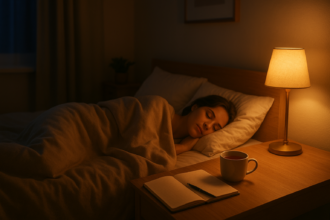
- Trouble falling asleep or staying asleep
These symptoms can happen because anxiety activates the nervous system. Your body may prepare for action, even if the situation does not require physical movement. This is why someone can feel exhausted after a day of worrying, even if they did not do much physically. The body has been working hard in the background.
If you ever experience chest pain, fainting, severe shortness of breath, or symptoms that feel medically urgent, seek immediate medical care. It is always appropriate to take physical symptoms seriously.
Behavioral Signs of Anxiety
Anxiety does not only affect how you feel. It can also change what you do. Behavioral anxiety symptoms often develop as attempts to feel safer or more in control. The challenge is that some coping behaviors provide short-term relief while making anxiety stronger over time.
- Avoidance: You may avoid phone calls, social events, appointments, driving, difficult conversations, or tasks that trigger discomfort.
- Reassurance seeking: You may repeatedly ask others if everything is okay or search online for certainty.
- Procrastination: Tasks may feel emotionally threatening, so you delay them even when they matter.
- Checking behaviors: You may reread messages many times, check locks repeatedly, or review work excessively.
- Withdrawal: You may isolate yourself because interacting with others feels draining.
For example, avoiding a presentation may reduce anxiety that day, but it can also teach your brain that presentations are dangerous. Over time, the fear may grow. A more helpful path is often gradual, supported exposure: practicing in small steps, building confidence, and learning that discomfort can pass.
Anxiety Symptoms vs. Everyday Stress
Stress and anxiety are closely related, but they are not exactly the same. Stress usually has a clear external pressure, such as a deadline, an argument, or a busy schedule. Anxiety can remain even after the stressor is gone, or it can appear when there is uncertainty rather than a specific problem.
Everyday stress might sound like, I have a lot to do today. Anxiety might sound like, If I do not do everything perfectly, everything will fall apart. Stress often improves when the situation changes. Anxiety may persist because the mind keeps scanning for what could go wrong.
That said, there is overlap. Long-term stress can increase anxiety symptoms, and anxiety can make stress feel harder to manage. Paying attention to duration, intensity, and impact can help you decide whether you may need additional support.
Why Anxiety Symptoms Happen
Anxiety symptoms can have many contributing factors. They are rarely caused by one simple thing. Biology, life experiences, personality traits, stress levels, sleep, health, substances, and environment can all play a role.
- Nervous system sensitivity: Some people are more reactive to uncertainty, conflict, or sensory input.
- Past experiences: Difficult, unpredictable, or traumatic experiences can shape how the brain detects threat.
- Ongoing stress: Work pressure, caregiving, relationship strain, or financial concerns can keep the body on alert.
- Sleep disruption: Poor sleep can make emotional regulation more difficult.
- Caffeine or stimulants: For some people, caffeine can intensify jitters, heart racing, or restlessness.
- Health factors: Thyroid issues, medication side effects, hormonal changes, and other medical conditions may contribute to anxiety-like symptoms.
Understanding possible contributors can help you respond more effectively. Instead of asking, What is wrong with me? you might ask, What is my body reacting to, and what kind of support would help?
How Anxiety Symptoms Can Show Up in Daily Life
Anxiety can be subtle. It may not always look like panic or visible distress. Here are a few real-life examples of how anxiety symptoms can appear in everyday situations.
At Work
You may spend extra time rewriting emails because you worry about sounding unprofessional. You may feel tense before meetings, avoid sharing ideas, or assume criticism is coming when a supervisor asks for updates. Your body may feel tight, and your mind may run through possible mistakes.
In Relationships
You may worry that someone is upset with you if they take longer to reply. You might over-apologize, avoid difficult conversations, or need frequent reassurance that the relationship is okay. Anxiety can make uncertainty in relationships feel emotionally intense.
With Health Concerns
You may notice a normal body sensation and quickly fear the worst. You might repeatedly search symptoms online, which can temporarily soothe you but often increases worry. If health anxiety is interfering with your life, professional support can be especially helpful.
During Rest
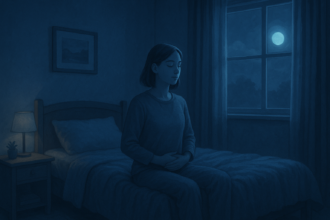
Many people expect anxiety to appear only during stressful situations, but it can also show up when things get quiet. At night, your mind may suddenly review everything you forgot, everything you regret, and everything that could go wrong tomorrow.
Practical Ways to Manage Anxiety Symptoms
Managing anxiety is not about forcing yourself to calm down instantly. It is about giving your nervous system cues of safety, reducing avoidant patterns, and building skills over time. Different strategies work for different people, so consider these options as tools to experiment with rather than rules you must follow perfectly.
1. Name What Is Happening
When anxiety rises, try saying to yourself, This may be anxiety. My body is having a stress response. This simple label can create distance between you and the feeling. You are not the anxiety; you are noticing anxiety symptoms.
2. Slow Your Breathing
Anxiety often changes breathing patterns. Try breathing in through your nose for four counts, exhaling slowly for six counts, and repeating for two to five minutes. The longer exhale can help signal to the body that it does not need to stay in high alert. If counting makes you more anxious, simply focus on making the exhale gentle and unforced.
3. Ground Yourself in the Present
Grounding techniques help bring attention back to the here and now. One option is the 5-4-3-2-1 method:
- Notice five things you can see.
- Notice four things you can feel.
- Notice three things you can hear.
- Notice two things you can smell.
- Notice one thing you can taste or one slow breath you can take.
This does not erase anxiety, but it can reduce the feeling of being trapped inside racing thoughts.
4. Challenge the Anxiety Story
Anxiety often speaks in predictions. It says, This will go badly, I cannot handle it, or Everyone will judge me. Try writing down the anxious thought and asking:
- What evidence supports this thought?
- What evidence does not support it?
- What would I say to a friend who had this thought?
- What is a more balanced statement?
For example, instead of, I will embarrass myself in the meeting, a balanced thought might be, I may feel nervous, but I can prepare my main points and speak one step at a time.
5. Reduce Avoidance in Small Steps
If anxiety has been limiting your life, choose one small step toward the thing you avoid. If phone calls feel stressful, you might start by writing a short script, then calling a low-pressure business, then making a more important call. Small steps teach your brain that discomfort is manageable.
6. Support Your Body
Your mental state is connected to physical habits. Consider the basics: consistent sleep, regular meals, hydration, movement, and limiting substances that worsen anxiety for you. A ten-minute walk, stretching your shoulders, or eating a balanced snack will not solve everything, but it can make your nervous system more resilient.
7. Create a Worry Window
If worry takes over your day, try scheduling a 15-minute worry window. When worries appear outside that time, write them down and tell yourself you will return to them later. During the worry window, review the list and separate concerns into two categories: things you can act on and things you cannot control right now.
For actionable concerns, choose one next step. For uncontrollable concerns, practice letting the thought be present without feeding it. This skill takes practice, but it can reduce the sense that worry needs unlimited access to your attention.
When to Seek Professional Support
You do not need to wait until things feel unbearable to ask for help. Professional support can be useful when anxiety symptoms interfere with work, school, relationships, sleep, health, or your ability to enjoy life. A therapist can help you understand patterns, learn coping skills, and gradually face fears in a supported way. A doctor can also help rule out medical contributors or discuss treatment options when appropriate.
Consider reaching out for support if:
- Anxiety feels intense, frequent, or difficult to control.
- You avoid important parts of life because of fear or worry.
- Panic-like symptoms are recurring or frightening.
- Sleep, appetite, concentration, or relationships are significantly affected.
- You use alcohol, substances, or compulsive behaviors to cope.
- You feel hopeless or have thoughts of harming yourself.
If you are in immediate danger or thinking about harming yourself, contact emergency services or a crisis line in your country right away. You deserve support in that moment, not later.
How to Talk About Anxiety Symptoms With Someone You Trust
Talking about anxiety can feel vulnerable, especially if you are used to handling everything alone. You do not have to share every detail. Start with one honest sentence.
You might say:
- I have been feeling more anxious lately, and I could use someone to listen.
- I am not asking you to fix it, but I want you to know what has been going on.
- Sometimes I seem distant because I am overwhelmed, not because I do not care.
- Could you sit with me for a few minutes while I calm down?
Supportive connection can help reduce shame. Anxiety often grows in isolation, while safe relationships can remind the nervous system that you are not alone.
What Not to Do When Anxiety Symptoms Appear
It is natural to want anxiety gone immediately. However, some common reactions can unintentionally make it stronger. Try to avoid these patterns when possible:
- Fighting the feeling: Telling yourself to stop feeling anxious can add pressure. Try noticing the feeling instead.
- Excessive checking: Repeatedly searching for certainty can keep your brain in threat mode.
- Skipping basic care: Lack of sleep, food, or movement can increase emotional sensitivity.
- All-or-nothing thinking: One anxious day does not mean you are back at the beginning.
- Self-criticism: Shame rarely calms the nervous system. Compassion is more useful.
A helpful mindset is: I can feel anxious and still take one caring step. This reduces the pressure to feel perfectly calm before doing anything meaningful.
FAQ
What are the most common anxiety symptoms?
Common anxiety symptoms include excessive worry, restlessness, irritability, racing thoughts, muscle tension, sleep problems, fatigue, stomach discomfort, rapid heartbeat, and avoidance of stressful situations. Symptoms vary widely, so it is helpful to notice your own patterns over time.
Can anxiety symptoms happen for no reason?
Yes, anxiety can sometimes appear without an obvious trigger. Your body may be responding to accumulated stress, poor sleep, caffeine, health factors, unresolved emotions, or subtle cues you have not consciously noticed. If symptoms are frequent or distressing, consider speaking with a healthcare or mental health professional.
How do I know if it is anxiety or a medical issue?
Anxiety can cause physical sensations such as a racing heart, dizziness, shortness of breath, or stomach upset, but medical conditions can cause similar symptoms. If symptoms are new, severe, persistent, or concerning, it is best to consult a medical professional to rule out other causes.
What helps calm anxiety symptoms quickly?
Some quick calming tools include slow breathing, grounding your senses, relaxing your shoulders and jaw, stepping outside, drinking water, writing down your thoughts, or talking to someone safe. These tools may not remove anxiety instantly, but they can help your body move toward a calmer state.
When should I get help for anxiety symptoms?
Consider getting help if anxiety interferes with your daily life, relationships, sleep, work, school, or health. You may also benefit from support if you have panic-like symptoms, avoid important activities, or feel unable to manage worry on your own. If you feel unsafe or at risk of harming yourself, seek immediate crisis support.
Conclusion
Anxiety symptoms can be uncomfortable, but they are also understandable. They are signals from a nervous system trying to protect you, even when the alarm is louder than necessary. By learning how anxiety can affect your thoughts, emotions, body, and behavior, you can respond with more clarity and less self-blame.
Start small. Notice your patterns, practice grounding, care for your body, challenge anxious predictions, and reach out for professional support when needed. You do not have to figure everything out alone, and you do not have to wait until anxiety controls your life before getting help.
For related guidance, learn how panic attack symptoms can differ from general anxiety, or read our guide to responding to intrusive thoughts without fighting your mind.