A panic attack can feel like your body has suddenly sounded an emergency alarm, even when there is no obvious danger in front of you. Your heart may race, your chest may tighten, your breathing may change, and your thoughts may jump to the worst possible explanation. If you have ever wondered whether these intense sensations are panic attack symptoms, you are not alone. Many people experience panic attacks at some point, and understanding what is happening in the body can make the experience feel less confusing and less isolating.
This article is educational and supportive, not a diagnosis. Panic attack symptoms can overlap with medical conditions, so it is always wise to speak with a healthcare professional, especially if symptoms are new, severe, unusual, or connected to chest pain, fainting, or difficulty breathing. With that said, learning the signs of a panic attack and having a few practical coping tools can help you respond with more calm and confidence.
What Is a Panic Attack?
A panic attack is a sudden wave of intense fear or discomfort that usually peaks within minutes. The National Institute of Mental Health (NIMH) notes that panic attacks can include a pounding heart, sweating, trembling, difficulty breathing, dizziness, tingling, chest discomfort, nausea, and a sense of losing control. Not everyone who has a panic attack develops panic disorder. It can happen during a stressful situation, after a buildup of pressure, or seemingly out of nowhere. Although the experience can be alarming, a panic attack is often linked to the body’s fight-or-flight response, the same survival system designed to help you react to threat.
During a panic attack, the nervous system may release stress hormones, increase heart rate, redirect blood flow, and change breathing patterns. These changes are meant to prepare the body to protect itself. The problem is that when the alarm is triggered without immediate physical danger, the sensations can feel confusing and frightening.
For example, someone sitting quietly at their desk may suddenly feel dizzy, notice their heart pounding, and think, Something is seriously wrong. That thought can increase fear, which can intensify physical sensations, creating a cycle of panic. Understanding this cycle is one reason education can be so helpful.
Common Panic Attack Symptoms
Panic attack symptoms vary from person to person. Some people mainly notice physical sensations, while others experience intense fear, racing thoughts, or a sense of unreality. Symptoms can be mild, moderate, or very intense. They can also change over time.
Common panic attack symptoms may include:
- Racing or pounding heartbeat
- Chest tightness, pressure, or discomfort
- Shortness of breath or feeling unable to get a full breath
- Sweating, chills, or hot flashes
- Trembling, shaking, or feeling weak
- Dizziness, lightheadedness, or feeling unsteady
- Nausea, stomach discomfort, or a sudden urge to use the bathroom
- Tingling or numbness in the hands, face, or body
- Feeling detached from yourself or your surroundings
- Fear of losing control, fainting, or dying
- A strong urge to escape or get help immediately
Not everyone experiences every symptom. Some people may have only a few signs, while others feel many at once. The intensity of the experience can make it feel dangerous, but many panic attack symptoms are related to temporary changes in adrenaline, breathing, muscle tension, and attention.
Physical Symptoms: Why They Happen
Physical panic attack symptoms can be especially unsettling because they may feel similar to signs of a medical emergency. It is important not to dismiss your body. If you are unsure, it is appropriate to seek medical guidance. At the same time, understanding possible panic-related explanations can help reduce fear when a healthcare professional has ruled out urgent causes.
Racing Heart and Chest Tightness
A fast heartbeat is one of the most common panic attack symptoms. When your nervous system believes you need to respond to danger, your heart may pump faster to send oxygen and energy to your muscles. Chest tightness can also come from muscle tension, shallow breathing, or heightened awareness of normal body sensations.
Practical example: You receive a stressful email, and a few minutes later your heart begins pounding. You check your pulse, become more alarmed, and your heart feels even faster. In this situation, fear and body monitoring may keep the panic cycle going.
Shortness of Breath and Dizziness
During panic, many people breathe faster, higher in the chest, or more irregularly. This can create sensations of air hunger, dizziness, tingling, or lightheadedness. The feeling is uncomfortable, but it can sometimes improve when you gently slow your breathing and relax your shoulders.
A helpful reminder is: I am uncomfortable, and I can slow this moment down. You do not have to force deep breaths. In fact, trying too hard to breathe perfectly can increase pressure. Gentle, steady breathing is usually more helpful than dramatic breathing.
Nausea and Stomach Sensations
The gut is closely connected to the nervous system. When stress rises, digestion can shift, and you may feel nausea, cramping, butterflies, or urgency. This is why panic attacks and anxiety symptoms often show up in the stomach.
If stomach symptoms are frequent, severe, or new, checking in with a medical professional can help rule out other causes and provide reassurance.
Tingling, Numbness, and Shaking
Tingling in the hands, lips, or face can happen when breathing changes affect carbon dioxide levels in the body. Shaking can occur as adrenaline increases muscle readiness. Although these sensations can feel strange, they are commonly reported during panic episodes.
Some people find it useful to move gently, such as slowly walking, stretching the hands, or pressing both feet into the floor. This can remind the body that it is supported and not trapped.
Emotional and Cognitive Panic Attack Symptoms
Panic is not only physical. The mind can become highly threat-focused, scanning for danger and searching for explanations. This can lead to intense emotional and cognitive symptoms.
Common mental and emotional signs include:
- A sudden surge of fear or dread
- Thoughts that something terrible is about to happen
- Fear of losing control or embarrassing yourself
- Fear that the symptoms will never stop
- Feeling unreal, detached, or disconnected
- Difficulty concentrating or thinking clearly
These thoughts can be convincing in the moment. Panic often speaks in extremes, such as I cannot handle this or This will last forever. A more balanced response might be: This is intense, but panic usually rises and falls. I can focus on the next minute.
Panic Attack Symptoms vs. General Anxiety
Panic attacks and anxiety are related, but they are not exactly the same. Anxiety often builds gradually and may be connected to worries about work, health, relationships, money, or the future. Panic attacks tend to come in sudden waves and often include strong physical sensations.
For example, general anxiety might feel like hours of tension before an important meeting. A panic attack might feel like an abrupt rush of fear, chest tightness, and dizziness while waiting in line at the grocery store. Both experiences deserve compassion and support, but the coping strategies may differ slightly.
With general anxiety, problem-solving, planning, and lifestyle adjustments may help. During a panic attack, the immediate goal is often to reduce fear of the sensations, ground yourself, and let the nervous system settle.
What Can Trigger Panic Attack Symptoms?
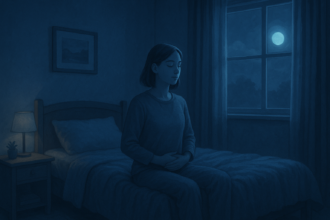
Panic attacks can have many possible triggers. Sometimes the trigger is obvious, and sometimes it is not. A panic attack can happen after a stressful event, during a major life transition, or after a period of poor sleep. It can also happen in situations where escape feels difficult, such as crowded spaces, traffic, public speaking, or airplanes.
Possible contributors may include:
- Ongoing stress or emotional overload
- Lack of sleep or irregular sleep patterns
- High caffeine intake or stimulant use
- Major life changes, grief, or conflict
- Health worries or body-focused anxiety
- Past trauma or high sensitivity to threat cues
- Avoidance patterns that make certain places feel unsafe
It is also possible for panic attack symptoms to appear without a clear cause. This does not mean you are doing anything wrong. The nervous system can become sensitized, especially after prolonged stress. If panic attacks become frequent or begin limiting your life, a mental health professional can help you understand patterns and build a personalized plan.
What to Do During a Panic Attack
When panic attack symptoms start, the natural instinct is often to fight the sensations, escape immediately, or repeatedly check for reassurance. While these responses are understandable, they may sometimes keep the nervous system on alert. The goal is not to magically stop panic in one second. The goal is to send cues of safety to your body and reduce the fear spiral.
Try the S.T.E.A.D.Y. Method
Use this simple step-by-step approach when symptoms feel overwhelming:
- S: Soften your body. Unclench your jaw, lower your shoulders, and let your hands open.
- T: Tell yourself what is happening. Say, This may be panic. It is uncomfortable, but it can pass.
- E: Exhale slowly. Make the exhale a little longer than the inhale, without forcing it.
- A: Anchor in the present. Name five things you can see, four things you can feel, and three things you can hear.
- D: Do one small safe action. Sip water, sit down, step outside for air, or place your feet firmly on the ground.
- Y: Yield to the wave. Instead of fighting every sensation, practice allowing it to rise and fall while you stay grounded.
This method is not a cure, and it may not remove every symptom immediately. But it can give your mind something steady to follow when panic feels chaotic.
Use Grounding Instead of Reassurance Checking
It is common to repeatedly check your pulse, search symptoms online, or ask others if you look okay. Sometimes reassurance helps briefly, but it can also train the brain to keep checking for danger. Grounding is different. It brings attention back to the present moment.
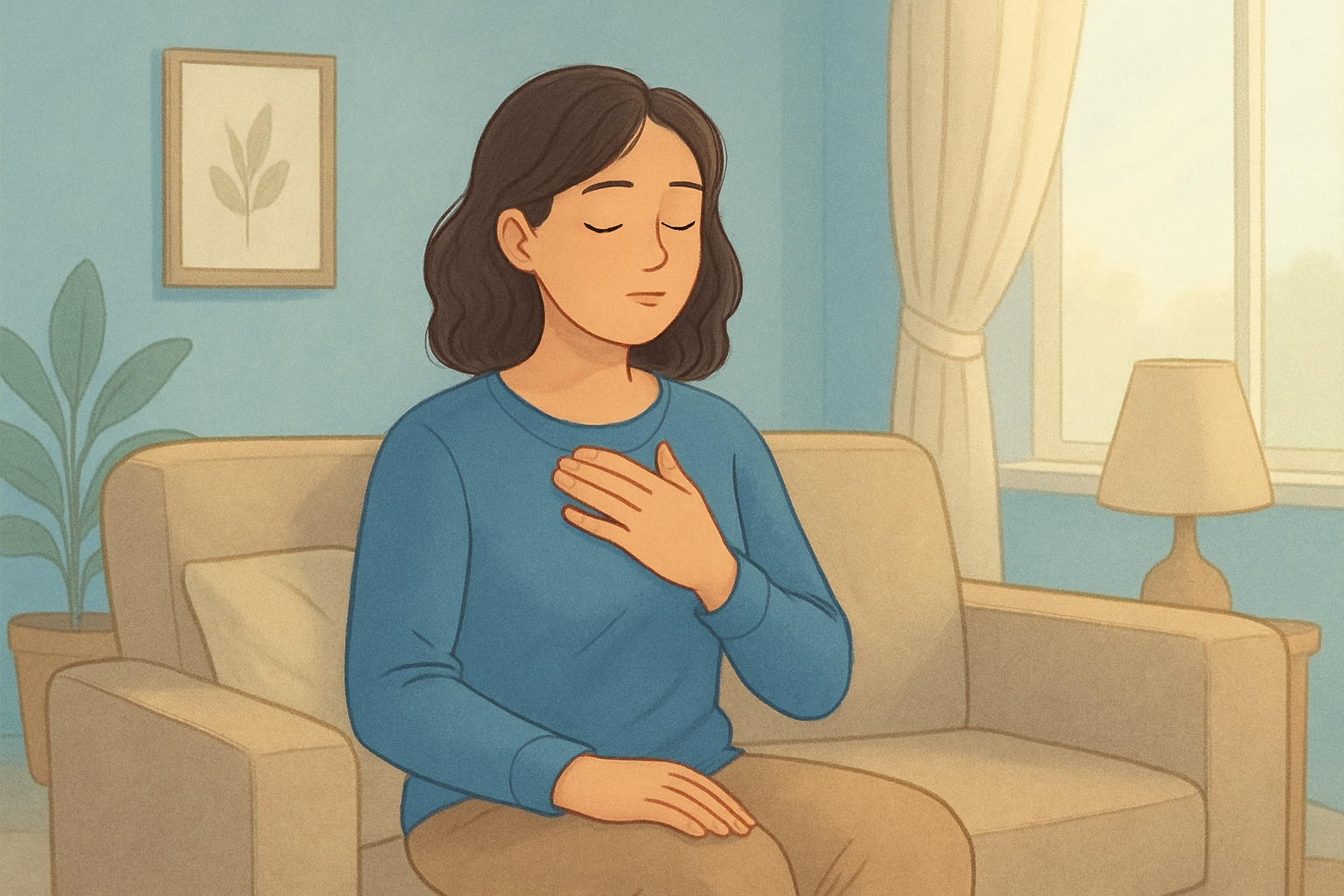
Try placing one hand on your chest and one hand on your stomach. Notice warmth, pressure, and movement. Then say: In this moment, I am here. My feet are on the floor. I can take the next breath.
Let the Body Discharge Energy
Because panic involves adrenaline, stillness may feel difficult. If it is safe, gentle movement can help. You might walk slowly around the room, stretch your arms, shake out your hands, or press your palms together for ten seconds and release. Avoid frantic movement if it makes you feel more alarmed. Choose movement that feels controlled and supportive.
What Not to Do When Panic Hits
You do not need to handle panic perfectly. Still, a few common reactions may unintentionally make panic attack symptoms feel stronger.
- Do not shame yourself. Panic is a nervous system response, not a character flaw.
- Do not demand instant calm. Pressure to calm down can increase stress.
- Do not catastrophize the sensations. Try to describe them neutrally, such as my heart is beating fast rather than something terrible is happening.
- Do not rely only on avoidance. Avoiding every place connected to panic may make your world smaller over time.
- Do not ignore new or severe medical symptoms. When in doubt, seek appropriate medical care.
A compassionate approach is more effective than self-criticism. You are learning how your body responds to stress, and that takes patience.
When to Seek Professional Help
Consider reaching out to a healthcare provider or mental health professional if panic attack symptoms are recurring, becoming more intense, interfering with work or relationships, or causing you to avoid normal activities. Support can be especially important if you feel constantly worried about having another attack.
Evidence-informed treatments for panic and anxiety may include cognitive behavioral therapy, exposure-based strategies, mindfulness-based approaches, lifestyle changes, and, for some people, medication prescribed by a qualified clinician. A professional can help you decide what fits your needs and health history.
Seek urgent medical help if you have chest pain that is severe or new, fainting, symptoms of a stroke, difficulty breathing that feels medically concerning, or any symptoms that feel different from your usual experience. It is better to be cautious with physical symptoms, especially if you have health risk factors.
Long-Term Ways to Reduce Panic Vulnerability
While panic attacks can feel sudden, your overall nervous system baseline matters. Building daily habits that support regulation may reduce vulnerability over time. These habits do not guarantee panic will never happen, but they can make your body more resilient.
Protect Your Sleep
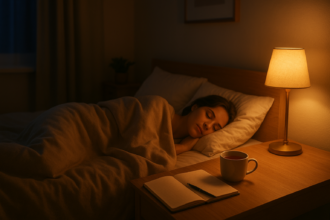
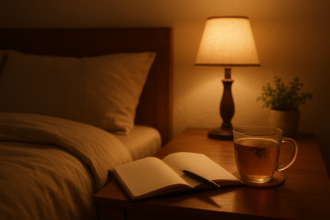
Poor sleep can make the nervous system more reactive. Aim for a consistent bedtime and wake time when possible. Reduce late-night scrolling, keep caffeine earlier in the day, and create a short wind-down routine. Even ten minutes of quiet stretching or reading can signal to your body that it is safe to rest.
Notice Caffeine and Alcohol Patterns
Caffeine can mimic anxiety symptoms, such as a racing heart or jitteriness. Alcohol may temporarily relax you but can disrupt sleep and increase next-day anxiety for some people. You do not necessarily need to eliminate either, but it may help to track whether your panic attack symptoms are more likely after certain amounts.
Practice Interoceptive Confidence
Interoception means awareness of internal body sensations. People who fear panic often become afraid of normal sensations like a faster heartbeat. With professional guidance, some people practice safely noticing body sensations without interpreting them as danger. For example, walking up stairs increases heart rate, but that does not mean something is wrong. Learning to tolerate sensations can reduce fear over time.
Create a Panic Plan Before You Need It
It is hard to think clearly during panic, so make a simple plan in advance. Write it in your phone or on a card:
- My panic signs are: racing heart, tight chest, dizziness.
- My first step is: slow exhale and relax shoulders.
- My grounding phrase is: this is uncomfortable, not permanent.
- My support person is: a trusted friend, therapist, or family member.
- If symptoms feel medically unusual, I will seek medical care.
Having a plan reduces the need to improvise when your brain is already overwhelmed.
How to Support Someone Having Panic Attack Symptoms
If someone near you is having a panic attack, your calm presence can help. You do not need to fix everything. Speak in a steady voice and avoid dismissive comments like calm down or you are fine. Even if the person is physically safe, the experience feels real and intense to them.
Helpful things to say include:
- I am here with you.
- Let us take this one minute at a time.
- You do not have to explain anything right now.
- Can I help you find a quieter place or sit down?
- Would grounding or slow breathing feel helpful?
Ask before touching them, giving water, or guiding breathing. Some people appreciate support; others need space. If symptoms seem medically concerning or the person asks for emergency help, take that seriously.
FAQ
What are the most common panic attack symptoms?
The most common panic attack symptoms include a racing heart, chest tightness, shortness of breath, trembling, sweating, dizziness, nausea, tingling, and a sudden feeling of fear or doom. Symptoms vary, and not everyone experiences panic in the same way.
How long do panic attack symptoms usually last?
Many panic attacks peak within about 10 minutes, but some symptoms can linger longer, especially fatigue, shakiness, or worry about the episode. If symptoms are new, severe, or unusual for you, consider seeking medical advice.
Can panic attack symptoms happen for no reason?
Yes, panic attack symptoms can sometimes appear without an obvious trigger. Stress, poor sleep, caffeine, health worries, or a sensitized nervous system may contribute, even if the immediate cause is not clear.
How can I calm panic attack symptoms quickly?
Try softening your muscles, lengthening your exhale, grounding through your senses, and reminding yourself that the sensations can pass. The goal is not to force instant calm, but to help your nervous system feel safer one step at a time.
When should I get help for panic attacks?
Consider professional help if panic attacks are frequent, distressing, or causing avoidance in your daily life. Seek urgent medical care for severe, new, or unusual physical symptoms, especially chest pain, fainting, or serious breathing difficulty.
Conclusion
Panic attack symptoms can feel frightening, but understanding them can reduce some of their power. A racing heart, shortness of breath, dizziness, trembling, and intense fear are common signs that the nervous system may be in alarm mode. You do not have to diagnose yourself or manage everything alone. If panic is affecting your life, support from a healthcare provider or mental health professional can make a meaningful difference.
In the moment, focus on small, steady actions: soften your body, slow your exhale, ground in the present, and remind yourself that panic is a wave, not a permanent state. With knowledge, practice, and support, it is possible to feel more prepared and less afraid of the sensations.
For more context, compare these signs with common anxiety symptoms, or learn why racing thoughts can accompany stress and anxiety.