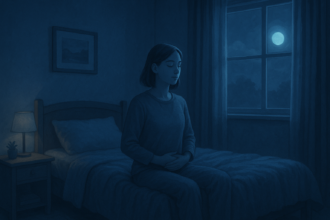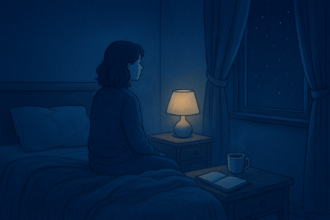

Can Stress Cause Insomnia? Understanding the Connection is a question many people ask after lying awake with a busy mind, a tense body, and a clock that seems to move too slowly. Stress does not affect everyone in the same way, but it can make falling asleep harder, staying asleep more difficult, and waking up feeling rested less likely. The good news is that stress-related sleep problems are often workable with the right habits, emotional support, and practical strategies.
If you have ever felt exhausted all day and then strangely alert at bedtime, you are not alone. Stress can keep the brain in problem-solving mode when the body needs rest. You may replay conversations, worry about tomorrow, feel pressure in your chest, or notice your heart beating faster than usual. This article explains how stress and insomnia are connected, what signs to notice, and what you can do tonight to help your mind and body settle.
Can Stress Cause Insomnia? Understanding the Connection
Can Stress Cause Insomnia? Understanding the Connection begins with recognizing that sleep is not just a physical switch you turn off. Sleep depends on a calm enough nervous system, a predictable body rhythm, and a brain that feels safe enough to reduce alertness. When stress is high, the body may remain in a state of readiness, even when you are physically tired.
In simple terms, yes, stress can contribute to insomnia for some people. It may not be the only factor, and it does not mean something is wrong with you. Stress can affect sleep through racing thoughts, muscle tension, increased alertness, changes in hormones, irregular routines, and habits that develop when you are trying to cope. For example, you might stay up late finishing work, drink extra caffeine to get through the next day, then struggle to sleep again the following night.
The American Psychological Association describes stress as a response to demanding or threatening situations, and stress can affect both the mind and body. You can learn more from the American Psychological Association’s stress resources. While short-term stress is a normal part of life, ongoing stress can interfere with your ability to relax, recover, and sleep well.
How Stress Affects the Sleep System
Can Stress Cause Insomnia? Understanding the Connection is easier to answer when you look at how the nervous system works. Your body has built-in systems designed to protect you. When you feel under pressure, your brain may interpret the situation as something that requires action. This can activate stress hormones, increase alertness, and prepare the body to respond.
The body stays on alert
Stress can make your body feel like it needs to stay ready. Your breathing may become shallow, your muscles may tighten, and your thoughts may speed up. This is useful if you need to respond to a real emergency, but it is not helpful when you are trying to drift off at 11:30 p.m.
Practical example: You have an important meeting tomorrow. Even after preparing, your mind keeps reviewing every possible mistake. Your body responds as if the meeting is happening now, not tomorrow. Instead of feeling sleepy, you feel tense and mentally wired.
The mind keeps trying to solve problems
Stress often tells the brain, “Keep thinking until this is fixed.” At night, there are fewer distractions, so thoughts can feel louder. You may find yourself analyzing work, relationships, finances, health, or responsibilities. This can lead to bedtime overthinking, which makes sleep feel like a task you have to force.
If nighttime thoughts are a major part of your sleep struggle, you may find it helpful to read how to stop racing thoughts at night for more specific strategies.
Sleep pressure and stress signals compete
Your body builds sleep pressure throughout the day, which helps you feel tired at night. But stress signals can compete with that sleepiness. You may feel physically drained but mentally activated. This can be confusing because you know you are tired, yet your brain refuses to slow down.
Common Signs Stress May Be Affecting Your Sleep
Can Stress Cause Insomnia? Understanding the Connection also means noticing patterns without jumping to conclusions. Occasional poor sleep is common, especially during busy or emotional seasons. However, if stress and sleep problems keep showing up together, it may be worth paying attention.
Stress-related sleep difficulties may look like:
- Taking a long time to fall asleep because your mind will not slow down
- Waking up during the night and immediately thinking about responsibilities
- Feeling tired but unable to relax in bed
- Waking too early and feeling anxious about the day
- Having tension headaches, jaw tightness, or a clenched stomach at night
- Checking the clock repeatedly and worrying about how little sleep you are getting
- Relying more on caffeine, naps, or screen time to cope with fatigue
These signs do not diagnose insomnia or any mental health condition. They are simply clues. If sleep problems are frequent, distressing, or affecting your ability to function, consider speaking with a healthcare provider or mental health professional. Support can help you understand what is happening and explore treatment options.
Stress, Anxiety, and Overthinking at Bedtime
Can Stress Cause Insomnia? Understanding the Connection often overlaps with anxiety and overthinking, but they are not always the same. Stress usually relates to pressures or demands, such as deadlines, conflict, caregiving, money concerns, or major life changes. Anxiety may involve ongoing worry, fear, or physical symptoms that continue even when there is no immediate threat.
Sometimes stress leads to anxious thoughts at night. For example, a stressful work week may trigger worries like, “What if I cannot handle this?” or “What if I make a mistake?” Once those thoughts become repetitive, sleep can feel harder to reach.
If you notice fear around sleep itself, such as worrying that you will not fall asleep or that tomorrow will be ruined, you may benefit from learning more about how to overcome sleep anxiety and calm your mind at night.
It can also help to understand that physical anxiety symptoms at bedtime are common. A racing heart, restlessness, or tight chest can feel alarming, but they can also be part of the body’s stress response. If your symptoms are severe, new, or concerning, seek medical guidance to rule out physical causes.
The Stress-Insomnia Cycle
Can Stress Cause Insomnia? Understanding the Connection is especially important because stress and poor sleep can feed each other. Stress can make sleep harder, and lack of sleep can make stress feel more intense the next day. This creates a loop that can become frustrating.
Here is how the cycle often works:
- You experience stress during the day.
- Your mind stays active at night, trying to process or solve the stress.
- You struggle to fall asleep or wake during the night.
- The next day, you feel tired, irritable, or less focused.
- Daily tasks feel harder, which increases stress.
- At bedtime, you worry about sleep, and the cycle repeats.
The key is not to blame yourself. Insomnia can become conditioned over time, meaning your brain starts connecting bed with wakefulness, worry, or pressure. The goal is to gently retrain your body and mind to associate nighttime with safety, quiet, and rest.
Can Stress Cause Insomnia? Understanding the Connection in Daily Life
Can Stress Cause Insomnia? Understanding the Connection becomes more practical when you see how it appears in real life. Stress-related insomnia does not always look dramatic. Sometimes it appears as small habits that slowly disrupt your sleep rhythm.
Example 1: The work deadline loop
You work late to meet a deadline. To stay focused, you drink coffee in the afternoon. At night, you bring your laptop to bed “just for a few minutes.” Your brain starts linking bed with work. Even after the deadline ends, your body still expects alertness at bedtime.
Example 2: The emotional conversation replay
You have a difficult conversation with a friend or partner. Later, your mind replays what you said, what they meant, and what you should have done differently. You are not trying to stay awake, but your brain is searching for certainty. This type of rumination can delay sleep.
Example 3: The fear of not sleeping
You have one bad night, then start worrying it will happen again. The next night, you get into bed and immediately monitor your body: “Am I sleepy yet? Why am I still awake?” This pressure creates more alertness, making sleep feel farther away.
If overthinking is a major trigger for you, this guide on overthinking at night and how to calm your mind may offer additional tools.
7 Practical Ways to Calm Stress-Related Insomnia
Can Stress Cause Insomnia? Understanding the Connection is useful only if it leads to supportive action. You cannot always remove stress immediately, but you can change how your body and mind transition into sleep. These strategies are practical, gentle, and realistic.
1. Create a “stress landing zone” before bed
Do not expect your mind to go from full-speed productivity to deep rest in two minutes. Give yourself a buffer. A stress landing zone is a short routine that helps your nervous system shift gears.
- Turn off work-related tasks 30 to 60 minutes before bed when possible.
- Dim lights and reduce stimulating content.
- Do a calming activity such as stretching, reading, journaling, or listening to quiet music.
- Keep the routine simple enough that you can repeat it most nights.
2. Write down unfinished thoughts
Your brain may keep repeating thoughts because it is afraid you will forget something important. A quick brain dump can help. Write down tasks, worries, reminders, and questions. Then add one small next step for anything urgent.
For example: “I’m worried about the bill” becomes “Check payment date tomorrow at lunch.” This does not solve every problem, but it gives your mind a place to set it down for the night.
3. Practice slow breathing without forcing sleep
Can Stress Cause Insomnia? Understanding the Connection includes understanding the body’s relaxation response. Slow breathing can signal safety to the nervous system. Try inhaling gently for four counts and exhaling for six counts. Repeat for three to five minutes.
The goal is not to force yourself asleep. The goal is to reduce pressure and create conditions where sleep is more likely to happen naturally.
4. Get out of bed if worry takes over
If you are awake for a while and becoming frustrated, consider getting out of bed briefly. Keep lights low and do something quiet, such as reading a calm book or sitting with a blanket. Return to bed when you feel sleepy again.
This can help your brain relearn that bed is for sleep, not for hours of worry. Avoid turning this into a strict rule or watching the clock too closely, as that can create more pressure.
5. Reduce late-day stimulants
Caffeine affects people differently, but it can stay active for hours. If stress is already raising alertness, caffeine may make sleep more difficult. Consider limiting coffee, energy drinks, or strong tea later in the day and notice whether sleep improves.
Alcohol can also disrupt sleep quality. It may make you feel sleepy at first, but it can contribute to waking during the night or lighter sleep for some people.
6. Use a compassionate sleep statement
When you cannot sleep, your inner dialogue matters. Thoughts like “I’m ruining tomorrow” or “I have to sleep right now” increase pressure. Try replacing them with a calmer statement.
- “Resting quietly still helps my body.”
- “I do not have to solve everything tonight.”
- “My body knows how to sleep, even if it takes time.”
- “One difficult night does not define my health.”
This is not toxic positivity. It is a way of reducing the threat signal around sleep.
7. Address daytime stress, not just nighttime symptoms
Can Stress Cause Insomnia? Understanding the Connection reminds us that bedtime problems often begin long before bedtime. If your days are overloaded, your nights may become the only time your mind has space to process. Look for small ways to lower stress earlier.
- Take short breaks during the day, even two minutes of breathing or walking.
- Set boundaries around work messages when possible.
- Move your body in a way that feels manageable.
- Talk through concerns with someone you trust.
- Break overwhelming tasks into smaller steps.
If anxiety is a broader pattern in your life, you might also explore practical ways to handle anxiety and calm your mind.
What Not to Do When Stress Keeps You Awake
Can Stress Cause Insomnia? Understanding the Connection can also help you avoid common habits that accidentally make sleep harder. These habits are understandable, especially when you are tired, but they may reinforce wakefulness over time.
- Do not fight your mind aggressively. Trying to force thoughts away often makes them louder.
- Do not keep checking the clock. Clock-watching can increase pressure and frustration.
- Do not use your bed as a stress office. Working, arguing, or scrolling intensely in bed can train your brain to stay alert there.
- Do not catastrophize one bad night. A poor night of sleep is unpleasant, but many people still function better than they expect.
- Do not ignore ongoing symptoms. If sleep problems continue, getting support is a wise step, not a failure.
When to Seek Professional Help
Can Stress Cause Insomnia? Understanding the Connection should not replace personalized care. If insomnia lasts for several weeks, happens often, or affects your mood, work, relationships, driving, or daily functioning, consider speaking with a healthcare professional. A doctor can help rule out medical factors, medication effects, sleep disorders, or other contributors.
You may also benefit from a therapist, especially if stress, grief, trauma, anxiety, depression, or chronic worry is involved. Cognitive behavioral therapy for insomnia, often called CBT-I, is an evidence-based approach that many professionals use to treat ongoing insomnia. If your worry feels excessive or difficult to control, the National Institute of Mental Health’s anxiety disorder information can provide reliable background, though a professional is best for individual guidance.
Seek urgent support if you feel unsafe, have thoughts of harming yourself, or feel unable to cope. You deserve immediate help and compassionate care.
FAQ
Can Stress Cause Insomnia? Understanding the Connection: what is the simple answer?
Yes, stress can contribute to insomnia for some people by increasing alertness, racing thoughts, muscle tension, and worry at bedtime. However, insomnia can have many causes, so it is important not to assume stress is the only factor.
How do I know if my insomnia is stress-related?
Can Stress Cause Insomnia? Understanding the Connection often comes down to patterns. If your sleep gets worse during deadlines, conflict, major changes, or emotional strain, stress may be playing a role. A sleep journal can help you notice links between daytime stress, caffeine, screen use, worry, and sleep quality.
Can one stressful event cause several nights of poor sleep?
It can. A stressful event may keep your nervous system activated for a few nights, especially if you are still processing what happened. In many cases, sleep improves as stress decreases and routines return. If sleep problems continue or become distressing, professional support may help.
What is the best thing to do when I am stressed and cannot sleep?
Start by reducing pressure. Try slow breathing, writing down worries, relaxing your body, or getting out of bed briefly for a quiet activity if frustration builds. Remind yourself that resting calmly is still beneficial, even if sleep does not happen immediately.
Should I take sleep medication for stress-related insomnia?
Medication decisions should be made with a qualified healthcare provider who understands your health history. Some people may benefit from short-term medical support, while others may do better with behavioral strategies, therapy, stress management, or changes to sleep habits.
Conclusion
Can Stress Cause Insomnia? Understanding the Connection is not about blaming yourself for sleepless nights. It is about understanding how the mind and body respond to pressure, and learning how to create calmer conditions for rest. Stress can keep your nervous system alert, fuel overthinking, and make bedtime feel like another challenge to overcome. But small, consistent changes can make a meaningful difference.
Begin with one or two steps: write down your worries, build a gentle wind-down routine, reduce clock-watching, or practice slower breathing. If sleep problems persist or feel overwhelming, reach out to a healthcare provider or mental health professional. You do not have to figure it out alone.
For more supportive guides on calming your mind, reducing overthinking, and improving emotional well-being, explore more articles on NoOverthinking.