If your mind feels like it is racing, your chest feels tight, or you keep replaying worst-case scenarios, you are not alone. Anxiety is a common human experience, and it often shows up when your brain is trying to protect you from uncertainty, pressure, or perceived danger. The good news is that anxiety can often be managed with practical skills. This guide on How to Handle Anxiety: Practical Ways to Calm Your Mind will walk you through simple, evidence-informed strategies you can use in real life, whether you are dealing with daily stress, social worry, overthinking, or a sudden wave of nervous energy.
Understanding Anxiety Before You Try to Calm It
Anxiety is not a personal failure. It is a natural stress response involving your body, thoughts, emotions, and behaviors. When your brain senses a threat, your nervous system may prepare you to fight, flee, freeze, or seek safety. That can lead to symptoms such as a faster heartbeat, tense muscles, shallow breathing, stomach discomfort, restlessness, irritability, and difficulty concentrating.
For many people, anxiety becomes more intense when the mind starts asking repeated what-if questions. What if I mess up? What if something bad happens? What if I cannot handle this? These thoughts can feel convincing, even when they are not fully accurate. If you want a deeper overview of common anxiety signs, you may find this guide on what anxiety feels like helpful.
Learning How to Handle Anxiety: Practical Ways to Calm Your Mind starts with understanding that your symptoms are signals, not proof that something is wrong with you. Anxiety may feel uncomfortable, but discomfort does not always mean danger. The goal is not to force anxiety to disappear instantly. The goal is to respond in a way that helps your body feel safer and your mind think more clearly.
If anxiety is persistent, overwhelming, interfering with your relationships or work, or connected to panic attacks, trauma, depression, or thoughts of self-harm, it is important to reach out to a qualified mental health professional. The National Institute of Mental Health offers helpful information about anxiety disorders and treatment options.
How to Handle Anxiety: Practical Ways to Calm Your Mind in the Moment
When anxiety spikes, your brain may want an immediate answer, guarantee, or escape route. But the fastest way to regain steadiness is often to work with your body first. When people search for How to Handle Anxiety: Practical Ways to Calm Your Mind, they are often looking for tools they can use right now. These techniques are simple, but they work best when practiced regularly.
1. Slow Your Breathing Without Forcing It
Anxiety often makes breathing shallow and fast. This can send your body the message that you are under threat, which keeps the anxiety loop going. A calmer breathing rhythm can help signal safety to your nervous system.
Try this simple breathing exercise:
- Place one hand on your chest and one hand on your stomach.
- Inhale gently through your nose for a count of four.
- Pause for one count if that feels comfortable.
- Exhale slowly through your mouth for a count of six.
- Repeat for two to five minutes.
Do not worry about doing it perfectly. The point is not to control your body aggressively. The point is to give your nervous system a calmer rhythm to follow. If counting makes you more anxious, simply focus on making your exhale a little longer than your inhale.
2. Use Grounding to Return to the Present
Anxiety pulls you into the future. Grounding brings you back to the present. One of the most reliable parts of How to Handle Anxiety: Practical Ways to Calm Your Mind is learning to notice where you are instead of staying trapped in imagined scenarios.
Try the 5-4-3-2-1 grounding method:
- 5 things you can see: a lamp, your shoes, a tree outside, a notebook, your hands.
- 4 things you can feel: your feet on the floor, your shirt on your skin, the chair under you, the temperature of the air.
- 3 things you can hear: traffic, a fan, birds, distant voices.
- 2 things you can smell: coffee, soap, fresh air, laundry.
- 1 thing you can taste: mint, water, tea, or just the inside of your mouth.
A simple grounding practice is often more effective than arguing with anxious thoughts. You are not trying to prove every worry wrong. You are helping your brain remember that this moment is manageable.
3. Name What Is Happening
When anxiety is intense, it can feel like the whole truth. Naming it creates a little space between you and the feeling. Instead of saying, I am in danger, try saying, I am noticing anxiety. Instead of saying, I cannot handle this, try saying, My nervous system is activated right now.
Here are a few phrases you can use:
- This is anxiety, and it will pass.
- My body is having a stress response.
- I do not need to solve everything in this exact moment.
- I can take one small step.
This skill may sound small, but it helps reduce emotional fusion. You are reminding yourself that anxiety is an experience you are having, not your entire identity.
Work With Anxious Thoughts Instead of Fighting Them
Many people try to beat anxiety by forcing themselves to stop thinking. Unfortunately, the mind often pushes back harder when you try to suppress thoughts. A more effective approach is to change your relationship with anxious thoughts. This is a core part of How to Handle Anxiety: Practical Ways to Calm Your Mind because anxiety often grows when thoughts are treated as facts.
Question the Thought Gently
Anxious thoughts tend to sound urgent and certain. They may predict rejection, failure, embarrassment, illness, or disaster. Rather than arguing harshly with yourself, use curiosity.
Ask yourself:
- What is the actual evidence for this thought?
- What evidence points in a different direction?
- Am I confusing possibility with probability?
- What would I say to a friend who had this worry?
- What is the most balanced way to look at this?
For example, if your thought is, I will embarrass myself during the meeting, a balanced response might be, I may feel nervous, but I have prepared. Even if I stumble, I can recover. This is much calmer than trying to convince yourself nothing uncomfortable will happen.
Use a Worry Window
If you worry all day, your brain may start treating every hour as problem-solving time. A worry window gives your mind structure. Choose a 10 to 20 minute period each day to write down your worries and possible next steps. If a worry appears outside that time, tell yourself, I will come back to this during my worry window.
This does not mean ignoring real problems. It means training your brain not to treat every anxious thought as an emergency. Over time, this can reduce rumination and mental exhaustion.
Separate Solvable Problems From Hypothetical Worries
Anxiety often mixes practical problems with imagined ones. Try sorting your worries into two categories:
- Solvable: I need to prepare for a presentation, schedule an appointment, or have a difficult conversation.
- Hypothetical: What if everyone judges me? What if something goes wrong someday? What if I never feel better?
For solvable problems, take one small action. For hypothetical worries, practice grounding, acceptance, or redirecting attention. This distinction helps you stop overthinking everything as if every thought requires immediate action. If anxiety often turns into loops of analysis, you may also like this practical guide on how to stop overthinking.
Calm Your Body Through Daily Habits
Your daily routines can either support a calmer nervous system or keep it on high alert. This does not mean you need a perfect lifestyle. It means small, consistent habits can make anxiety easier to manage. A helpful approach to How to Handle Anxiety: Practical Ways to Calm Your Mind includes both in-the-moment tools and long-term nervous system care.
Move Your Body in a Gentle, Consistent Way
Physical movement helps the body process stress hormones and release tension. You do not need intense workouts to benefit. Walking, stretching, yoga, dancing, swimming, or light strength training can all support emotional regulation.
Try this practical example: if you feel anxious after work, take a 10 minute walk before checking your phone. Let your arms swing naturally. Notice the ground under your feet. Breathe slowly. This gives your body a transition from stress mode to recovery mode.
Reduce Stimulants If They Make Anxiety Worse
Caffeine, nicotine, certain energy drinks, and poor sleep can intensify anxious sensations for some people. A racing heart from caffeine can feel similar to anxiety, which may trigger more worry. You do not necessarily have to eliminate caffeine completely, but you can experiment with smaller amounts, drinking it earlier in the day, or switching to half-caf.
Pay attention to your own patterns. If your anxiety is higher after your second cup of coffee or after scrolling late at night, that information is useful. Anxiety management is not about strict rules. It is about learning what helps your mind and body feel more stable.
Create a Calming Sleep Routine
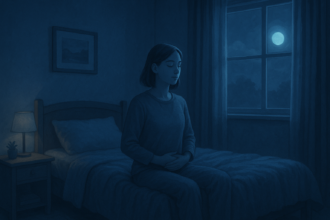
Anxiety often gets louder at night because there are fewer distractions. Your mind may replay conversations, plan tomorrow, or scan for problems. If this sounds familiar, learning how to stop racing thoughts at night can be especially helpful.
Try a simple night routine:
- Dim lights 30 to 60 minutes before bed.
- Write down tomorrow’s tasks so your brain does not have to hold them.
- Avoid intense conversations or stressful content right before sleep.
- Do a short breathing exercise or body scan.
- Keep your wake-up time fairly consistent when possible.
If anxiety shows up at night, How to Handle Anxiety: Practical Ways to Calm Your Mind may mean giving your brain a predictable shutdown ritual instead of expecting it to relax on command.
Use Self-Compassion to Reduce the Anxiety Spiral
Anxiety becomes harder when you judge yourself for having it. Thoughts like, Why am I like this? I should be over this by now, or Everyone else handles life better than me can add shame on top of stress. Self-compassion does not mean making excuses. It means responding to yourself in a way that helps rather than harms.
The more you practice How to Handle Anxiety: Practical Ways to Calm Your Mind, the more you may notice that kindness is not weakness. A harsh inner voice often increases threat. A supportive inner voice helps your system settle.
Try a Compassionate Reframe
Instead of saying, I am so anxious and I hate it, try, This is a hard moment, and I can support myself through it. Instead of saying, I should not feel this way, try, My body is responding to stress. I can take one step at a time.
Here are a few compassionate statements to practice:
- I am allowed to feel anxious and still move forward.
- I do not need to solve my whole life today.
- This feeling is uncomfortable, but it is not permanent.
- I can be patient with myself while I learn new skills.
These statements are not magic phrases. They work because they reduce the emotional struggle around anxiety. Less struggle often means more clarity.
Stop Measuring Progress by Perfect Calm
A common mistake is believing success means never feeling anxious. A more realistic goal is being able to notice anxiety, support yourself, and choose your next step with more steadiness. Progress might look like pausing before reacting, using breathing sooner, asking for support, or recovering faster after a stressful moment.
If self-doubt tends to fuel your anxiety, the article How to Overcome Self-Doubt: 7 Practical Strategies offers tools that pair well with anxiety management.
Build an Anxiety Plan Before You Need It
It is much easier to use calming tools when you have a plan. Anxiety can make decision-making harder, so prepare your steps when you are already feeling relatively calm. This is one of the most practical parts of How to Handle Anxiety: Practical Ways to Calm Your Mind: you do not have to reinvent your coping strategy every time anxiety appears.
Create a Personal Calm List
Write down five to eight things that usually help you feel more grounded. Keep the list in your phone or on paper. When anxiety rises, choose one item instead of trying to think your way out of distress.
Your calm list might include:
- Take five slow breaths with longer exhales.
- Step outside for fresh air.
- Drink a glass of water.
- Text a supportive friend.
- Write the anxious thought and a balanced response.
- Do a 10 minute walk.
- Listen to a calming playlist.
- Put one hand on your chest and name five things you see.
Keep your list realistic. If a coping skill requires perfect conditions, you may not use it. The best anxiety tools are simple enough to practice on an ordinary Tuesday.
Use the One Small Step Rule
Anxiety often says, Fix everything right now. Calm action says, Take one small step. If you are anxious about a messy home, wash five dishes. If you are anxious about an email, write the first sentence. If you are anxious about a health appointment, make the phone call or write down your questions.
This strategy helps because action can reduce helplessness. You are not trying to eliminate every feeling before you begin. You are showing your brain that you can act while anxious.
How to Handle Anxiety: Practical Ways to Calm Your Mind When It Feels Bigger Than You
Sometimes anxiety is mild and manageable. Other times, it may feel intense, frequent, or disruptive. How to Handle Anxiety: Practical Ways to Calm Your Mind should include knowing when self-help tools may not be enough on their own. Reaching out for support is a healthy and responsible choice.
Consider speaking with a licensed therapist, counselor, psychologist, or healthcare provider if anxiety is affecting your sleep, appetite, concentration, relationships, work, school, or daily routines. Professional support can help you understand patterns, learn coping skills, and explore treatment options such as therapy, lifestyle changes, support groups, or medication when appropriate.
It may also be important to seek immediate help if you feel unable to stay safe, are having thoughts of harming yourself, or feel completely overwhelmed. In the United States, you can call or text 988 for the Suicide and Crisis Lifeline. If there is immediate danger, call emergency services.
Part of How to Handle Anxiety: Practical Ways to Calm Your Mind is remembering that you do not have to manage everything alone. Support can be a powerful part of recovery and resilience.
A Simple 10-Minute Anxiety Reset
When you do not know what to do, use a short reset. This routine combines breathing, grounding, movement, and balanced thinking. It is designed to be practical, not perfect.
- Minute 1: Say to yourself, This is anxiety. I can slow down.
- Minutes 2 to 3: Breathe in for four and out for six.
- Minutes 4 to 5: Use the 5-4-3-2-1 grounding method.
- Minutes 6 to 7: Stretch your shoulders, jaw, neck, and hands.
- Minute 8: Write down the main anxious thought.
- Minute 9: Write one balanced response to that thought.
- Minute 10: Choose one small next step.
This reset will not solve every problem, but it can help you move from panic-driven thinking to steadier decision-making. For many people, How to Handle Anxiety: Practical Ways to Calm Your Mind becomes easier when they have a repeatable process instead of relying on willpower.
Common Mistakes That Can Make Anxiety Stronger
Anxiety management is also about noticing what accidentally feeds the cycle. You do not need to blame yourself for these habits. Most of them are understandable attempts to feel safe. The key is to recognize when they stop helping.
- Constant reassurance seeking: Asking for comfort can help in moderation, but repeatedly seeking certainty may keep anxiety dependent on outside answers.
- Avoiding everything that feels uncomfortable: Avoidance can bring short-term relief but may teach the brain that the situation is dangerous.
- Over-researching symptoms or problems: Searching for certainty online can increase fear and confusion.
- Arguing with every thought: Some thoughts lose power when you let them pass instead of debating them for hours.
- Waiting to feel calm before acting: Sometimes confidence comes after action, not before.
Stress is a normal part of life, but chronic stress can affect emotional and physical well-being. The American Psychological Association has additional information on stress and how it affects people.
FAQ
What is the fastest way to calm anxiety?
The fastest approach is usually to calm the body first. Try slowing your exhale, relaxing your shoulders, and grounding yourself by naming what you can see, hear, and feel. This does not erase anxiety instantly, but it can help your nervous system settle enough for clearer thinking.
Can anxiety go away on its own?
Sometimes mild anxiety passes when stress decreases, sleep improves, or a situation resolves. However, if anxiety is frequent, intense, or interfering with daily life, professional support can be very helpful. You do not have to wait until things feel unmanageable to ask for help.
Why does anxiety feel worse at night?
Anxiety may feel worse at night because your environment is quieter, your body is tired, and there are fewer distractions from thoughts. A consistent wind-down routine, journaling, and calming breathing exercises can help reduce nighttime overthinking.
How do I stop anxious thoughts from spiraling?
Start by naming the thought as anxiety rather than truth. Then ask whether the worry is solvable or hypothetical. If it is solvable, take one small action. If it is hypothetical, use grounding, postpone worry to a scheduled time, or redirect attention to the present.
Is it normal to feel physical symptoms with anxiety?
Yes, anxiety can involve physical sensations such as a racing heart, tight muscles, stomach discomfort, sweating, or shaky hands. These symptoms can be unsettling, but they are common in the stress response. If symptoms are new, severe, or concerning, consult a healthcare professional to rule out medical causes.
Conclusion
Learning How to Handle Anxiety: Practical Ways to Calm Your Mind is not about becoming a person who never worries. It is about building skills that help you respond to anxiety with more patience, clarity, and confidence. Start with your breath. Ground yourself in the present. Question anxious thoughts gently. Take one small step. Support your body with sleep, movement, and realistic routines. And when anxiety feels too heavy to carry alone, reach out for professional support.
You deserve tools that make life feel more manageable, one calm moment at a time. For more supportive guides on anxiety, overthinking, and emotional well-being, explore more articles on NoOverthinking.