If you have ever wondered, What Does Anxiety Feel Like? Understanding Common Signs can make an overwhelming experience feel a little less confusing. Anxiety is not always obvious. Sometimes it looks like a racing heart, tense shoulders, restless thoughts, irritability, stomach discomfort, or a strong urge to avoid something. Other times, it feels like being stuck in your head, preparing for danger even when nothing is immediately wrong.
Anxiety is a normal human response to stress, uncertainty, or perceived threat. It can even be helpful in small amounts because it alerts you to pay attention, prepare, or take action. But when anxious feelings become intense, frequent, or hard to manage, they can interfere with sleep, relationships, work, and everyday peace. This article is educational, not a diagnosis, but it can help you recognize common anxiety signs and respond with more compassion and practical tools.
What Does Anxiety Feel Like? Understanding Common Signs in Everyday Life
When people ask, What Does Anxiety Feel Like? Understanding Common Signs is not about putting everyone into one box. Anxiety can feel different from person to person. One person may feel shaky and short of breath before a presentation. Another may appear calm on the outside but replay conversations for hours afterward. Someone else may feel exhausted from constantly scanning for what could go wrong.
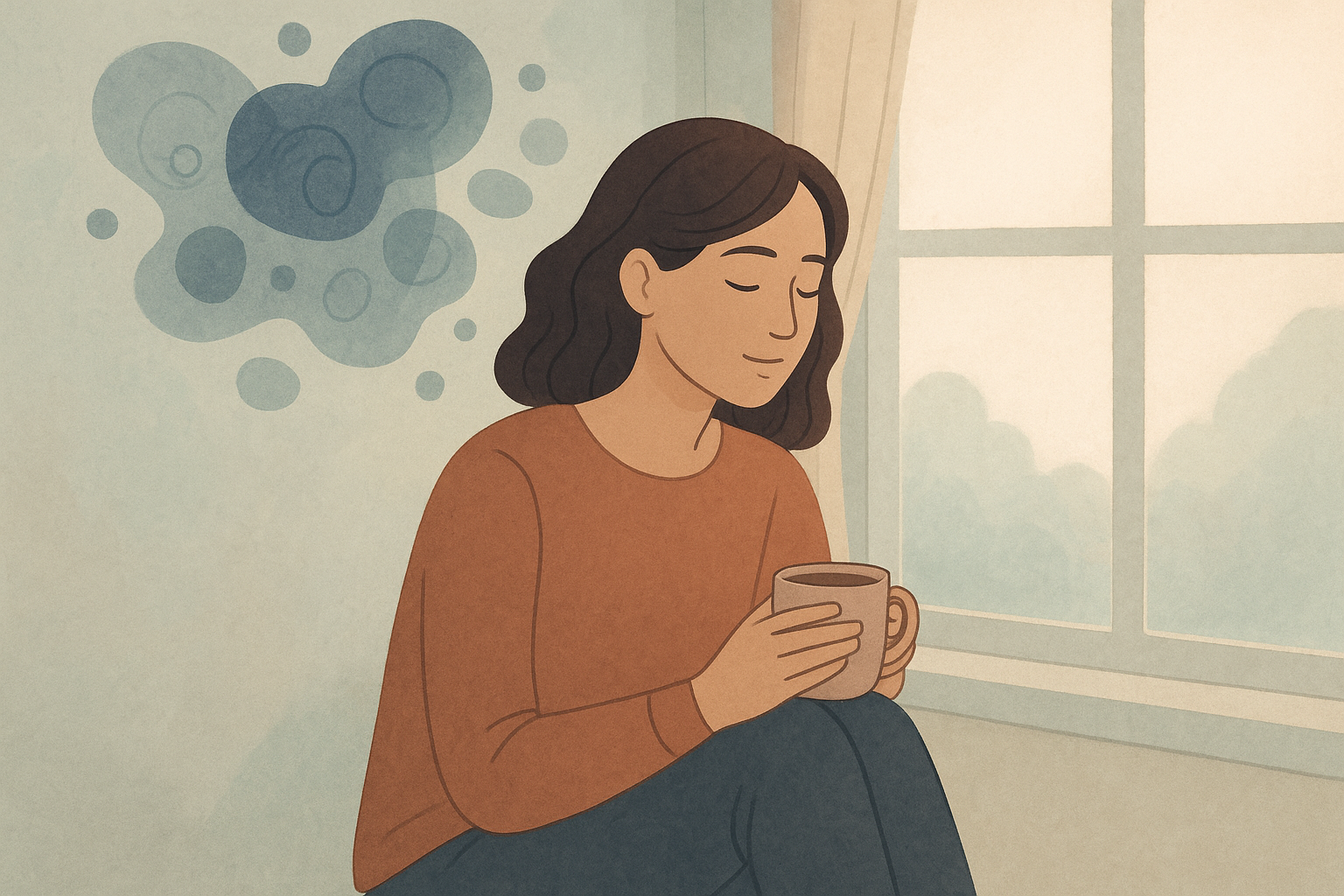
In simple terms, anxiety often feels like your mind and body are preparing for a problem, even if the problem is uncertain, exaggerated, or not happening right now. Your nervous system may shift into a state of alertness. This can affect your body, emotions, thoughts, and behavior.
Common anxiety experiences may include:
- A sense of dread, pressure, or uneasiness
- Racing thoughts or difficulty concentrating
- Muscle tension, headaches, or jaw clenching
- A fast heartbeat, sweating, trembling, or shallow breathing
- Stomach upset, nausea, or changes in appetite
- Restlessness, irritability, or feeling on edge
- Avoiding situations that feel stressful or uncertain
- Trouble falling asleep or staying asleep
Noticing these patterns does not mean something is wrong with you. It means your nervous system may be working hard to protect you. The goal is to understand the signal and learn how to respond in a healthier way.
Why Anxiety Can Feel So Physical
For many people searching What Does Anxiety Feel Like? Understanding Common Signs, body sensations are the first clue that something is happening. Anxiety is not just in your head. It involves the brain, hormones, muscles, breathing, digestion, and the autonomic nervous system.
When your brain senses a possible threat, it can activate the fight, flight, or freeze response. This response is designed to help you survive danger. Your heart may pump faster, your breathing may change, and your muscles may tense so you can act quickly. The challenge is that modern anxiety is often triggered by things that are not physically dangerous, such as emails, social expectations, deadlines, money worries, health concerns, or uncertainty about the future.
Common physical sensations of anxiety
Anxiety can show up in the body in ways that feel uncomfortable or distracting. Examples include:
- Chest tightness: Some people feel pressure or tightness when they are anxious. Chest symptoms should always be taken seriously, especially if they are new, severe, or accompanied by pain, faintness, or trouble breathing. When in doubt, seek medical care.
- Fast heartbeat: Anxiety can make your heart feel like it is racing or pounding.
- Shortness of breath: You may feel like you cannot get a full breath, often because anxiety changes breathing patterns.
- Stomach issues: The gut and brain are closely connected, so anxiety may cause nausea, cramps, diarrhea, or a nervous stomach.
- Muscle tension: Shoulders, neck, back, jaw, and forehead muscles often tighten under stress.
- Fatigue: Being on high alert can be physically draining, even if you have not done much activity.
According to the National Institute of Mental Health, anxiety disorders involve more than temporary worry or fear and can worsen over time without support. If anxiety is disrupting your life, professional help can make a meaningful difference.
Emotional Signs: When Anxiety Feels Like Fear Without a Clear Reason
When someone types What Does Anxiety Feel Like? Understanding Common Signs, they may be trying to name an emotional state that does not have a simple explanation. Anxiety can feel like fear, but it is often connected to anticipation rather than immediate danger. You might feel worried about what could happen, what someone might think, or whether you will be able to handle a situation.
Emotionally, anxiety may feel like:
- A persistent sense that something bad might happen
- Feeling overwhelmed by small tasks
- Irritability or snapping at people more easily
- Feeling emotionally sensitive or close to tears
- Guilt about not being able to relax
- Difficulty feeling present, even during good moments
A practical example
Imagine you send a message to a friend and they do not reply for several hours. Anxiety might say, "They are upset with me," or "I said something wrong." Your body may tense, your mood may drop, and you may keep checking your phone. In reality, your friend may simply be busy. Anxiety fills in the unknown with a threat-based story.
This is one reason anxiety can be so exhausting. It often asks you to solve problems that may not actually exist yet. Learning to pause before believing every anxious thought is an important skill.
Cognitive Signs: How Anxiety Changes Your Thinking
Another reason people look up What Does Anxiety Feel Like? Understanding Common Signs is that anxiety often shows up as thinking patterns, not just feelings. You might notice that your mind becomes louder, faster, or more repetitive. Instead of thinking through a situation once, anxiety may pull you into loops of analyzing, predicting, rehearsing, and second-guessing.
Common anxiety-related thought patterns include:
- Catastrophizing: Jumping to the worst-case scenario.
- Mind reading: Assuming you know what others are thinking about you.
- What-if thinking: Getting stuck on endless possibilities, such as "What if I fail?" or "What if something goes wrong?"
- Overchecking: Repeatedly reviewing messages, decisions, symptoms, or plans.
- Perfectionistic pressure: Feeling that mistakes are unacceptable or dangerous.
- Difficulty focusing: Having trouble staying with one task because your brain keeps scanning for concerns.
If anxious thinking often turns into mental loops, you may find it helpful to learn more about racing thoughts and what they mean. Understanding the pattern can make it easier to step back from it instead of getting pulled into every thought.
Try this thought-labeling exercise
The next time your mind spirals, try labeling the pattern without judging yourself:
- Pause and take one slow breath.
- Say to yourself, "This is a worry thought," or "This is my mind predicting danger."
- Ask, "What facts do I actually have right now?"
- Ask, "What is one helpful action I can take, if any?"
- If there is no action needed, gently return to the present moment.
This does not force anxiety to disappear. Instead, it helps you relate to anxious thoughts as mental events, not absolute truth.
Behavioral Signs: What Anxiety Makes You Do
When thinking about What Does Anxiety Feel Like? Understanding Common Signs, behavior matters too. Anxiety can influence what you avoid, how often you seek reassurance, and how much energy you spend trying to feel certain. These behaviors usually make sense in the short term because they reduce discomfort. Over time, however, they may keep anxiety going.
Behavioral signs of anxiety can include:
- Avoiding phone calls, social plans, appointments, or difficult conversations
- Procrastinating because a task feels emotionally overwhelming
- Asking for reassurance repeatedly
- Overpreparing or checking things many times
- Leaving situations early because the discomfort feels too strong
- Scrolling, snacking, or staying busy to distract from anxious feelings
- Having trouble making decisions because you fear the wrong choice
For example, if you feel anxious about a work meeting, you might avoid speaking up. Avoidance may lower anxiety in the moment, but it can also teach your brain that speaking is dangerous. A gentler long-term approach might be to prepare one comment, say it briefly, and then let yourself recover afterward. Small, repeated steps can help your nervous system learn that discomfort is survivable.
What Does Anxiety Feel Like? Understanding Common Signs During Panic
If your search for What Does Anxiety Feel Like? Understanding Common Signs comes from a sudden wave of intense fear, it may help to understand how anxiety and panic can overlap. Panic attacks can involve strong physical sensations such as a racing heart, trembling, sweating, dizziness, nausea, chest tightness, chills, or feeling detached from reality. They can be frightening, especially the first time.
Not every anxious moment is a panic attack, and not every panic-like sensation means you are in danger. However, because some symptoms can resemble medical issues, it is wise to seek medical evaluation if symptoms are new, severe, or unusual for you. If you want a deeper explanation, you can read more about panic attack symptoms and what helps.
During a panic-like moment, the goal is not to argue with your body. Instead, try to send cues of safety:
- Place both feet on the floor and notice the support beneath you.
- Exhale slowly, making the out-breath slightly longer than the in-breath.
- Name five things you can see and three things you can feel.
- Remind yourself, "This is intense, but it will pass."
- If possible, stay in one safe place rather than rushing around in panic.
Anxiety at Night: Why It Can Feel Worse When Things Get Quiet
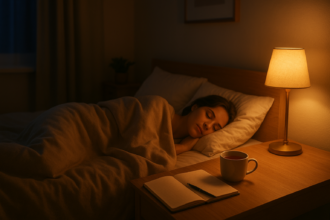
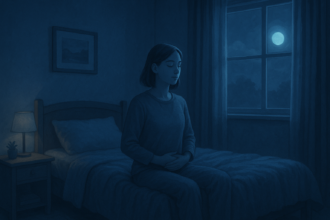
At night, What Does Anxiety Feel Like? Understanding Common Signs may include a racing mind, sudden worries, body tension, or replaying everything that happened during the day. Many people feel more anxious at night because distractions fade. The brain has fewer tasks to focus on, so unresolved worries become louder.
Nighttime anxiety may sound like:
- "What if I cannot sleep?"
- "Why did I say that earlier?"
- "What if tomorrow goes badly?"
- "What if this feeling never stops?"
If this is familiar, you are not alone. A calmer bedtime routine, reduced late-night screen time, and a simple worry journal can help. You may also find it useful to explore how to stop racing thoughts at night when your mind will not slow down.
7 Practical Tips for Calming Anxiety in the Moment
Once you understand What Does Anxiety Feel Like? Understanding Common Signs, the next step is learning what to do when anxiety shows up. These tools are not instant cures, and they do not replace therapy or medical care when needed. But they can help you respond more calmly and reduce the intensity of anxious spirals.
1. Slow your exhale
Anxiety often makes breathing quick and shallow. Try inhaling gently for four counts and exhaling for six counts. Repeat for one to three minutes. The longer exhale can help signal to your nervous system that you are not in immediate danger.
2. Ground yourself in the present
Use your senses to interrupt future-focused worry. Name five things you see, four things you feel, three things you hear, two things you smell, and one thing you taste. This can bring your attention back to the room you are in instead of the scenario your mind is imagining.
3. Reduce the demand for certainty
Anxiety often asks for perfect certainty before you act. But life rarely offers complete certainty. Instead of asking, "Can I guarantee nothing bad will happen?" try asking, "Can I handle this one step at a time?"
4. Move your body gently
A short walk, stretching, or shaking out your hands can help discharge anxious energy. Exercise and movement can support stress management, and the American Psychological Association notes that stress can affect both the mind and body. You do not need an intense workout. Even two minutes of movement can help shift your state.
5. Write the worry down
When worries stay in your head, they can feel larger and more urgent. Write down the concern, the facts, the story anxiety is telling, and one next step. If there is no useful next step, write, "I can revisit this tomorrow."
6. Practice a compassionate response
Instead of saying, "Why am I like this?" try saying, "My body is anxious right now, and I can support myself through it." Self-criticism often adds a second layer of distress. Compassion does not mean you like the feeling. It means you stop fighting yourself for having it.
7. Choose one small action
Anxiety can make life feel too big. Shrink the task. Open the document, put on your shoes, drink water, send one message, or set a five-minute timer. Small actions create momentum and remind your brain that you are capable of moving forward.
If overthinking tends to feed your anxiety, learning how to calm your mind when you are overthinking can give you more tools for everyday moments.
When Anxiety May Be a Sign to Get Support
Learning What Does Anxiety Feel Like? Understanding Common Signs can help you decide when self-help tools are enough and when additional support may be beneficial. You do not need to wait until anxiety feels unbearable to ask for help. A therapist, counselor, psychologist, psychiatrist, or primary care provider can help you understand what is happening and explore evidence-based options.
Consider reaching out for professional support if anxiety:
- Interferes with work, school, relationships, or daily responsibilities
- Causes frequent panic-like episodes or intense distress
- Leads you to avoid important parts of life
- Makes sleep difficult most nights
- Feels hard to manage despite your best efforts
- Comes with depression, substance use concerns, or thoughts of self-harm
If you are having thoughts of harming yourself or feel unable to stay safe, seek immediate help by contacting emergency services or a crisis hotline in your area. You deserve support right away.
How to Talk About Anxiety With Someone You Trust
Understanding What Does Anxiety Feel Like? Understanding Common Signs can also make it easier to explain your experience to a partner, friend, family member, or doctor. Many people minimize anxiety because they fear being judged. But clear language can help others support you better.
You might say:
- "I am not trying to be difficult. My body feels on high alert right now."
- "I do not need you to fix it. I just need a calm presence."
- "I am having a lot of what-if thoughts, and I am trying not to spiral."
- "Could we slow down and talk through one thing at a time?"
- "I may need professional support because this is affecting my daily life."
Being honest about anxiety is not weakness. It is a practical step toward understanding your needs and building healthier support systems.
FAQ
What Does Anxiety Feel Like? Understanding Common Signs if I am not panicking?
Anxiety can feel present even without panic. It may show up as tension, worry, irritability, restlessness, trouble focusing, stomach discomfort, or a sense that something is wrong. Panic is usually more sudden and intense, while everyday anxiety can be quieter and more ongoing.
Can anxiety cause real physical symptoms?
Yes, anxiety can be connected with real physical sensations such as a fast heartbeat, sweating, tight muscles, stomach upset, and shallow breathing. These symptoms are common, but new, severe, or concerning physical symptoms should be discussed with a healthcare professional to rule out medical causes.
How do I know if my anxiety is normal stress or something more?
Stress often relates to a specific pressure and may improve when the situation changes. Anxiety may persist, feel excessive, or interfere with daily life. If anxious feelings are frequent, intense, or causing avoidance, it may be helpful to speak with a mental health professional.
What should I do when anxiety hits suddenly?
Try slowing your exhale, grounding through your senses, relaxing your shoulders, and reminding yourself that the feeling can pass. If symptoms are severe, unfamiliar, or feel medically concerning, seek medical guidance. If sudden anxiety happens often, professional support may help.
Can lifestyle changes reduce anxiety?
Lifestyle habits such as consistent sleep, movement, balanced meals, reduced caffeine, social support, and calming routines may help reduce anxiety for many people. However, lifestyle changes are not a substitute for professional care when anxiety is significantly affecting your life.
Conclusion
What Does Anxiety Feel Like? Understanding Common Signs is not just a search phrase. It is often the beginning of making sense of what your body and mind have been trying to tell you. Anxiety may feel physical, emotional, cognitive, or behavioral, and it can range from mild uneasiness to intense panic-like sensations. The key is to notice the patterns without judging yourself.
You do not have to solve anxiety all at once. Start with one breath, one grounding exercise, one honest conversation, or one small action. If anxiety is interfering with your life, reaching out for professional support is a strong and responsible choice. For more practical mental health tools and calming guides, explore more articles on NoOverthinking.